We document what war and crises leave on the land and its people
We gather verifiable open-source evidence of potential human rights violations and of the environmental cost of conflict, and we build independent tools that run on infrastructure affected communities control, so their evidence is not held hostage by platforms that can delete it.
Latest Investigations
Open-source investigations from our Open-Source Investigations Unit.
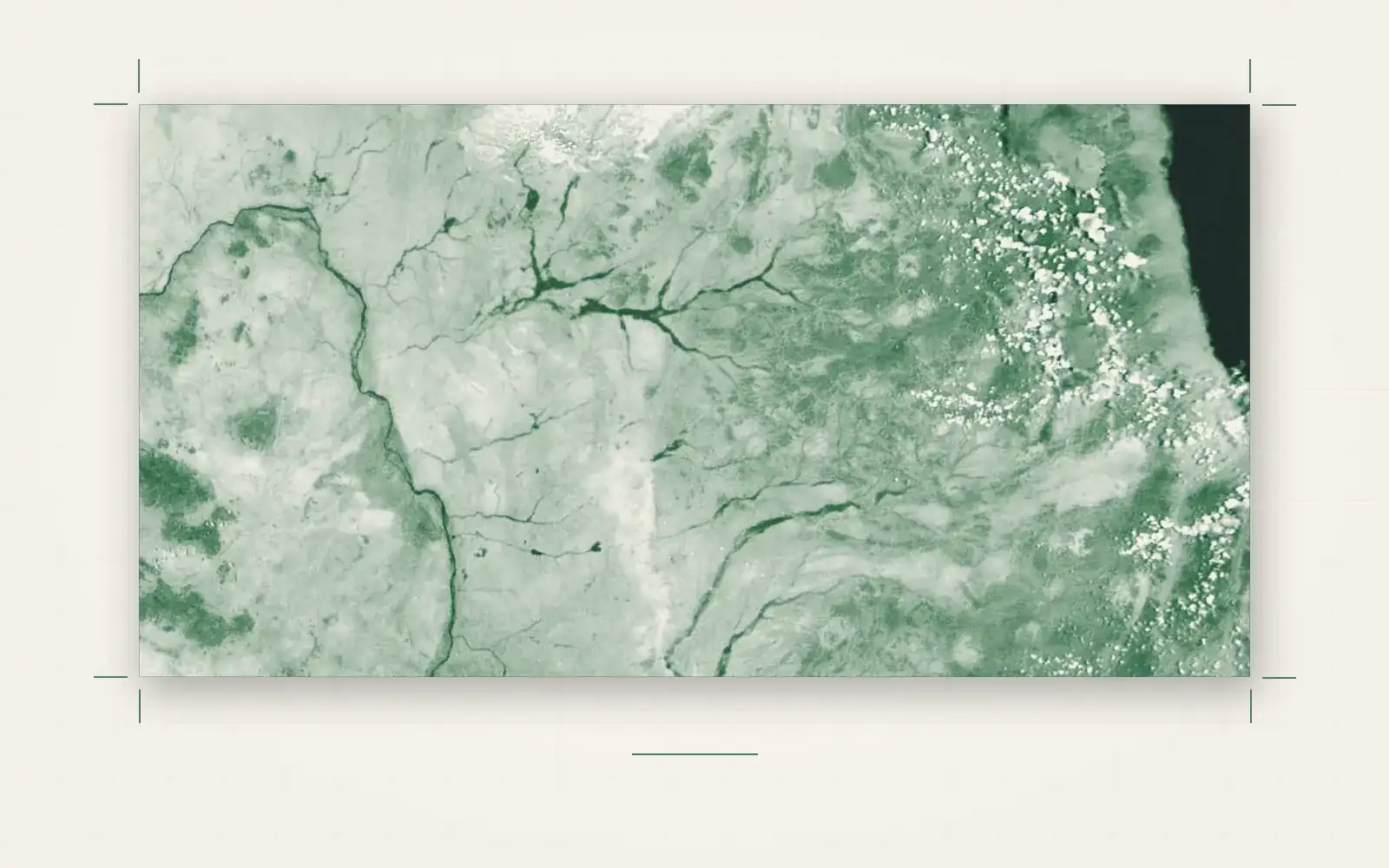
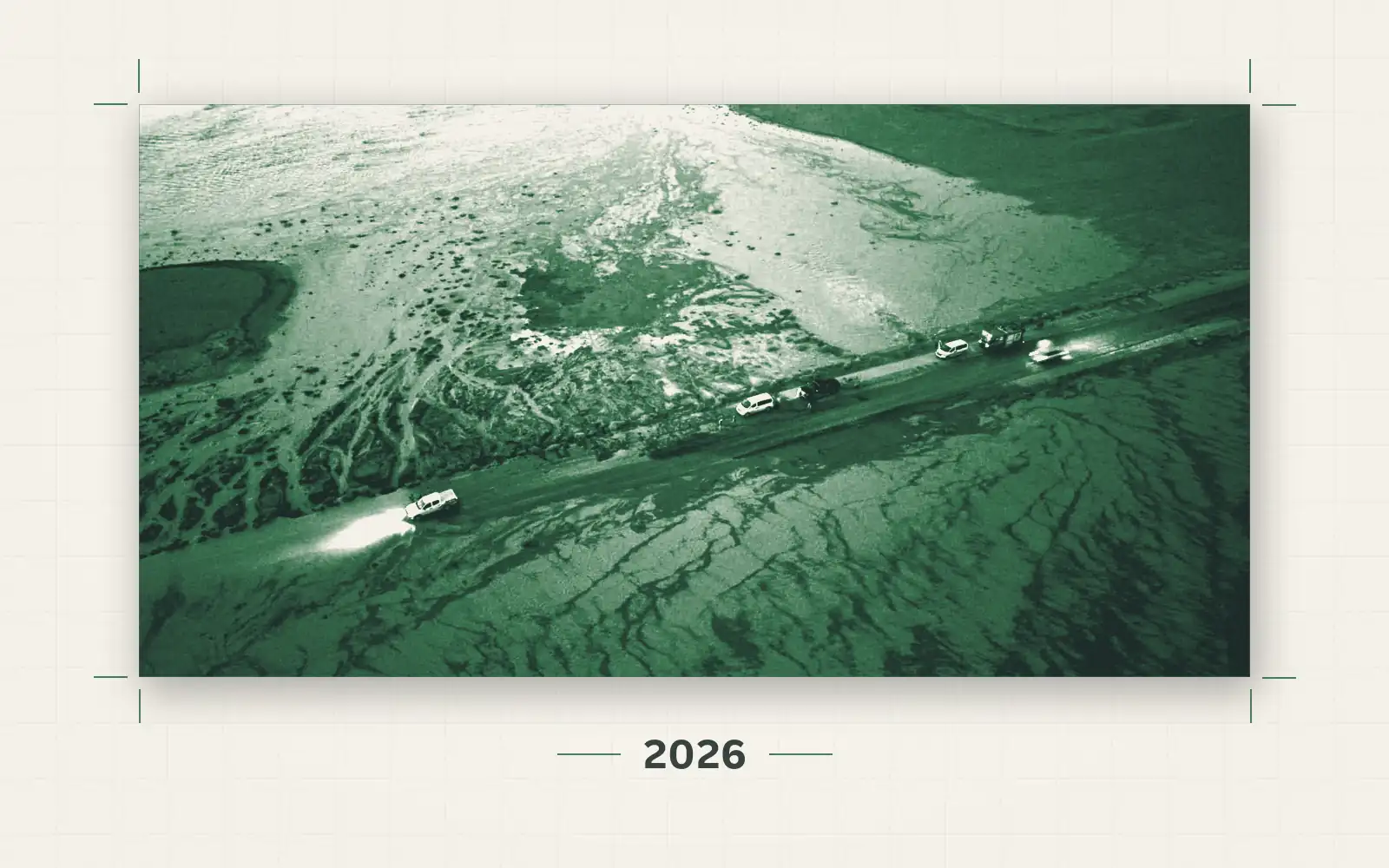
Flash Floods in Northern Syria: Fragile Infrastructure in the Face of Flooding
Read Investigation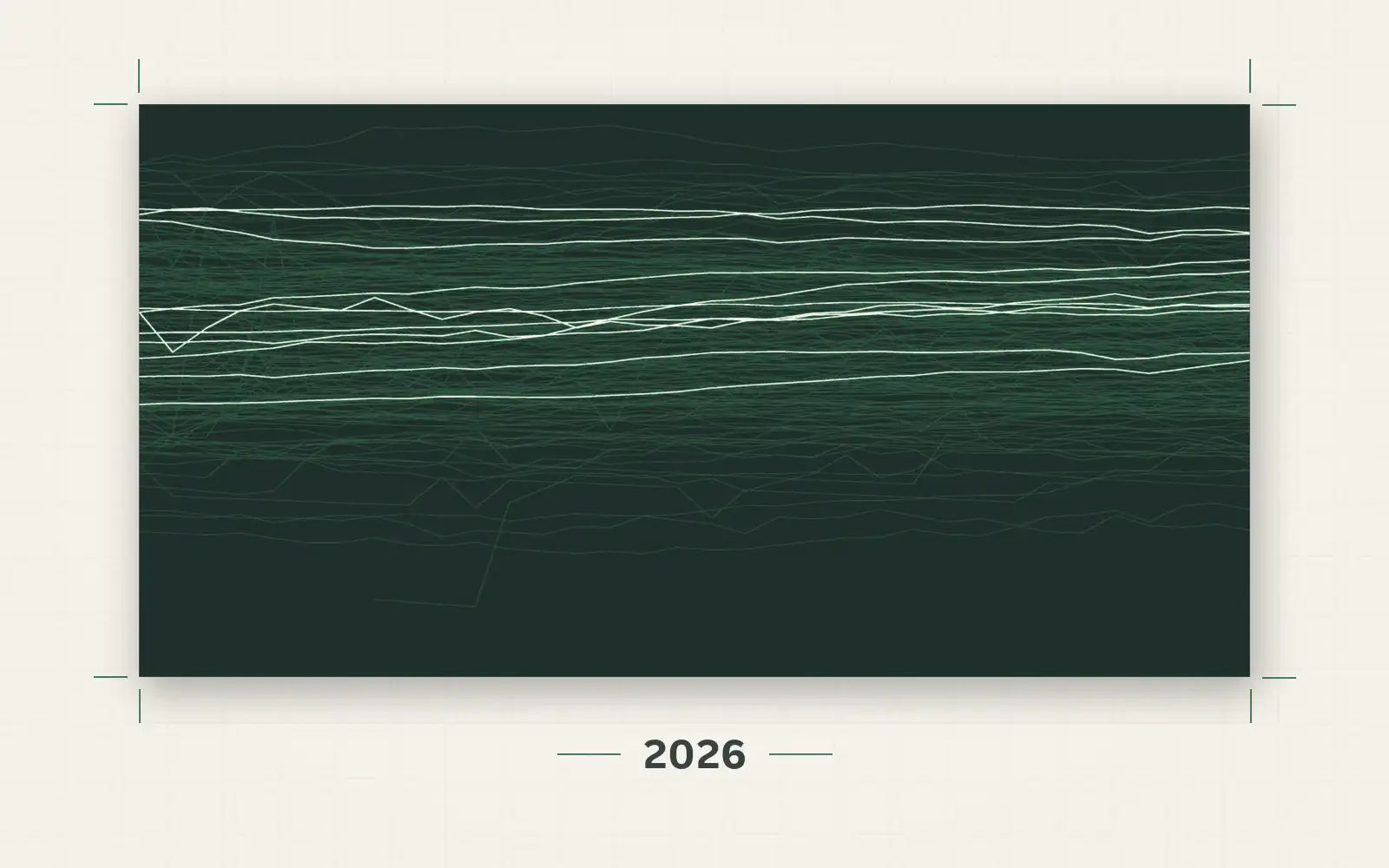 Interactive Story
Countries' Emissions and Climate Pledges: Five Countries Release More Than Half of the World's Emissions
Read the story in Arabic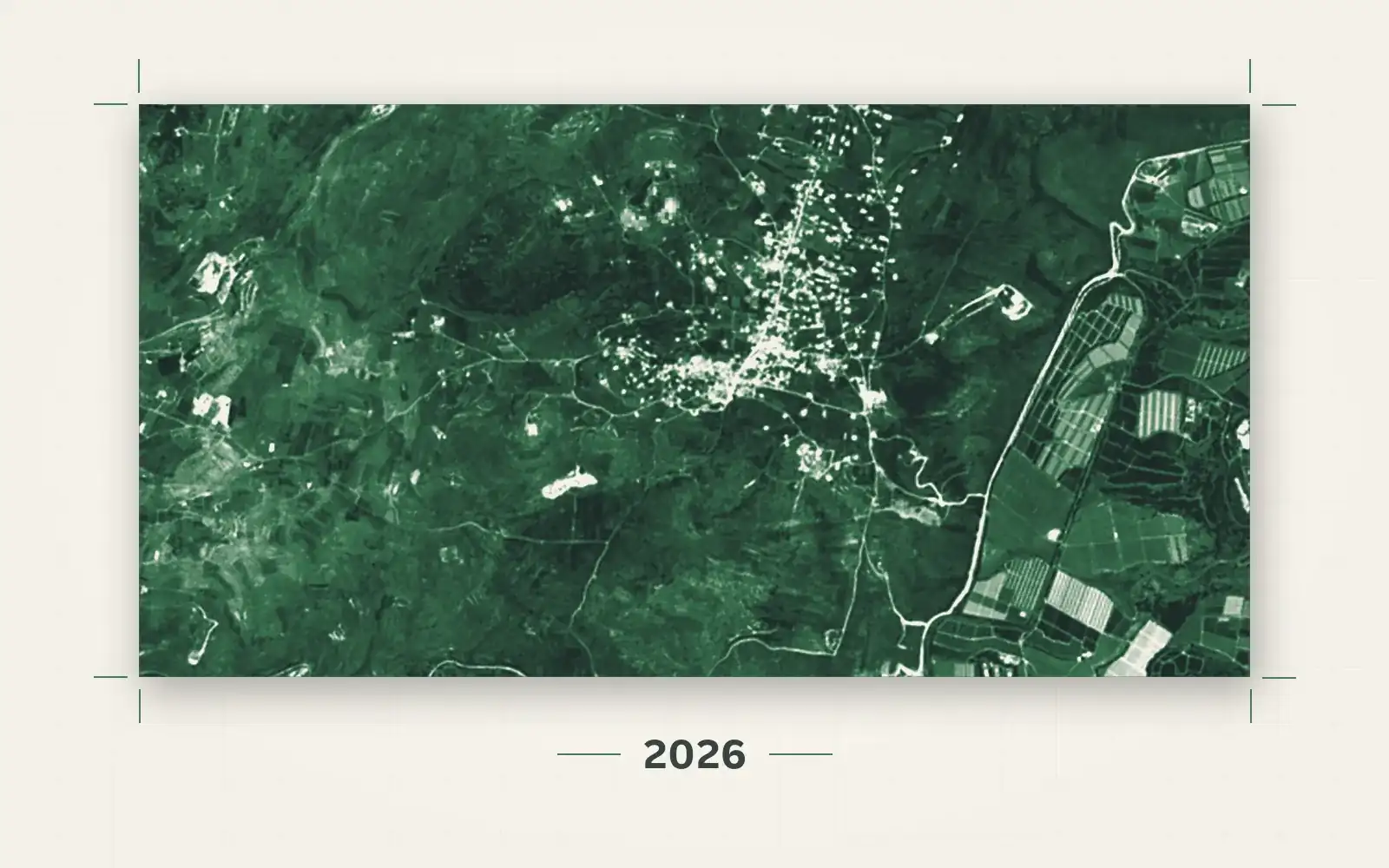
Three Years of War, a Land on Fire: Mapping the Environmental Damage in South Lebanon
Read Investigation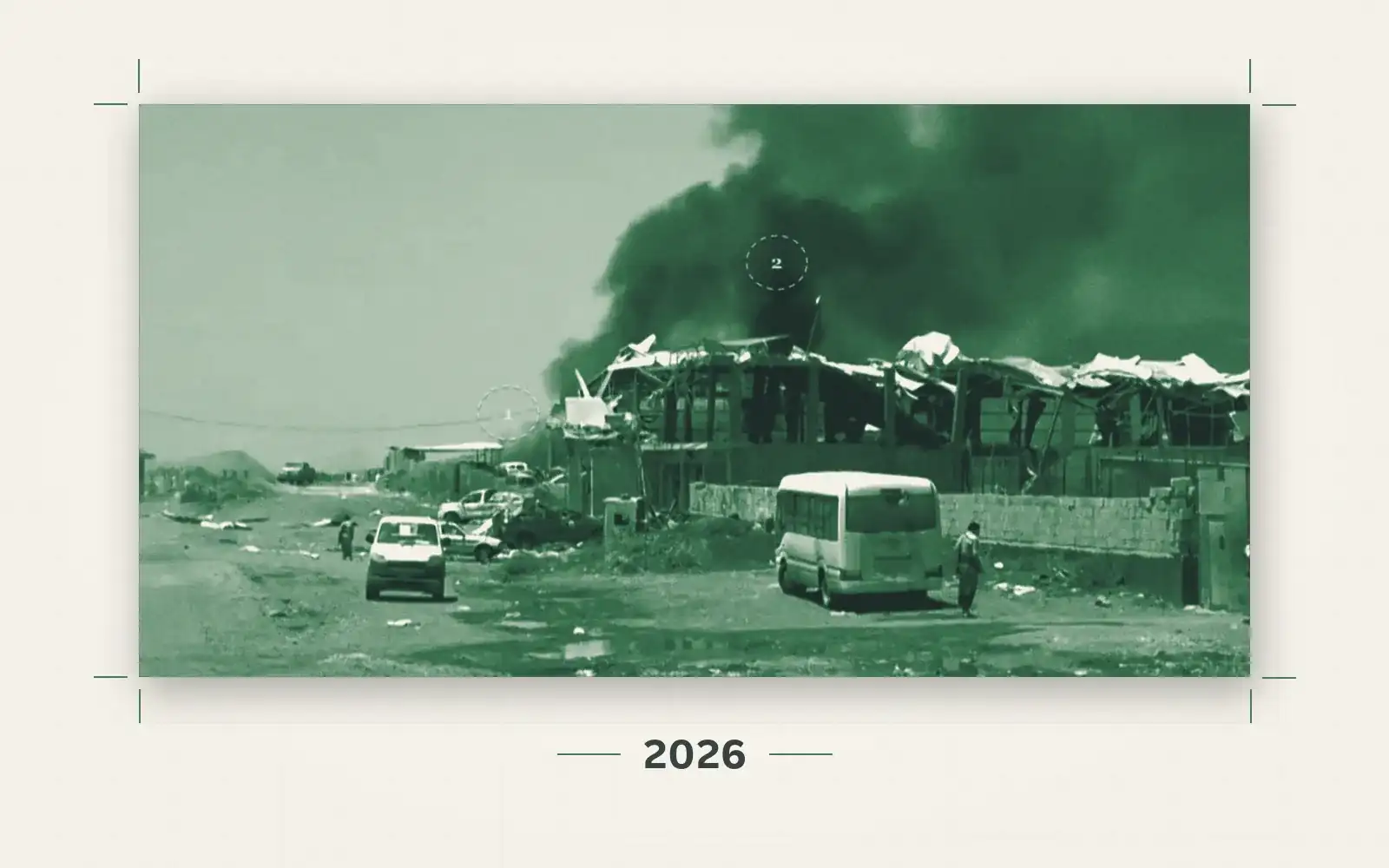
Mafraq Mawiyah Airstrikes: What Did the Strikes Hit in Taiz’s Central Market?
Read InvestigationTools for Technical Independence
Evidence kept on platforms that can delete it, or in tools that cost too much or do not support local languages, is evidence the people affected do not control. So we build the software our investigations run on, use it on our own work first, and offer it to journalists and local groups, under open licences where we can, on servers they control.
Evidence management
Keeps scattered material in one place with its source, date and what has been confirmed, on servers the group controls.
Satellite before and after
Compares images of one place before and after an event, and records what they show with the source of each image.
Messaging assistant
Answers questions from journalists and researchers on messaging apps, and goes no further than verified sources.
Video archive triage
Suggests frames worth a look in archives too large to watch, for reviewers to confirm or reject.
Our Approach
We interview the people who filmed, posted or lived through events, to put the environmental and human toll of conflict in its context.
We verify before we publish: each finding is located, dated and checked against more than one source, and we say how sure we are of it.
We offer specialised training, personal mentoring and localised open-source tools to journalists, researchers and human rights groups.
We hand our evidence to the communities and partner organisations who lead accountability and memory efforts, and archive it so it stays within their reach, independently of us.
Core Programmes
Open-Source Investigations Unit
Documents potential violations of human rights and international humanitarian law, from strikes on civilians to damage to heritage and the environment, using geolocation, satellite imagery and field testimony.
Climate Accountability
Documents the environmental cost of war and crises, from burned forests to polluted water, and the people who live with it.
Capacity Building
Training, open-source tools and personal mentoring for journalists, researchers and human rights defenders.