"We believe that the destruction of cultural and religious sites during armed conflicts has profound psychological effects, leaving people in a state of emotional detachment and trauma."
Jennifer Bryce, Humanitarian Advisor at "Blue Shield," an organization dedicated to protecting heritage sites in conflict zones
1. Context and Scale of Destruction in Blida
Despite the ceasefire agreement entering into force on November 27, 2024, and the passing of the 60-day deadline for the withdrawal of Israeli forces from Lebanese territory, threats by Israel remain ongoing at the time of writing this report, with a clear disregard for UN calls to renew the truce.
This follows a continuous escalation between Hezbollah forces and Israel since October 8, 2023, including a "ground operation" led by Israel against Hezbollah forces in southern villages. On October 10, 2024, the Jerusalem Post reported that this was the first time Israeli journalists toured a Lebanese village since the 2006 war, indicating control. The Legal Agenda previously documented in an investigation the Israeli army's demolition of an entire border village during military operations on October 16, 2024.
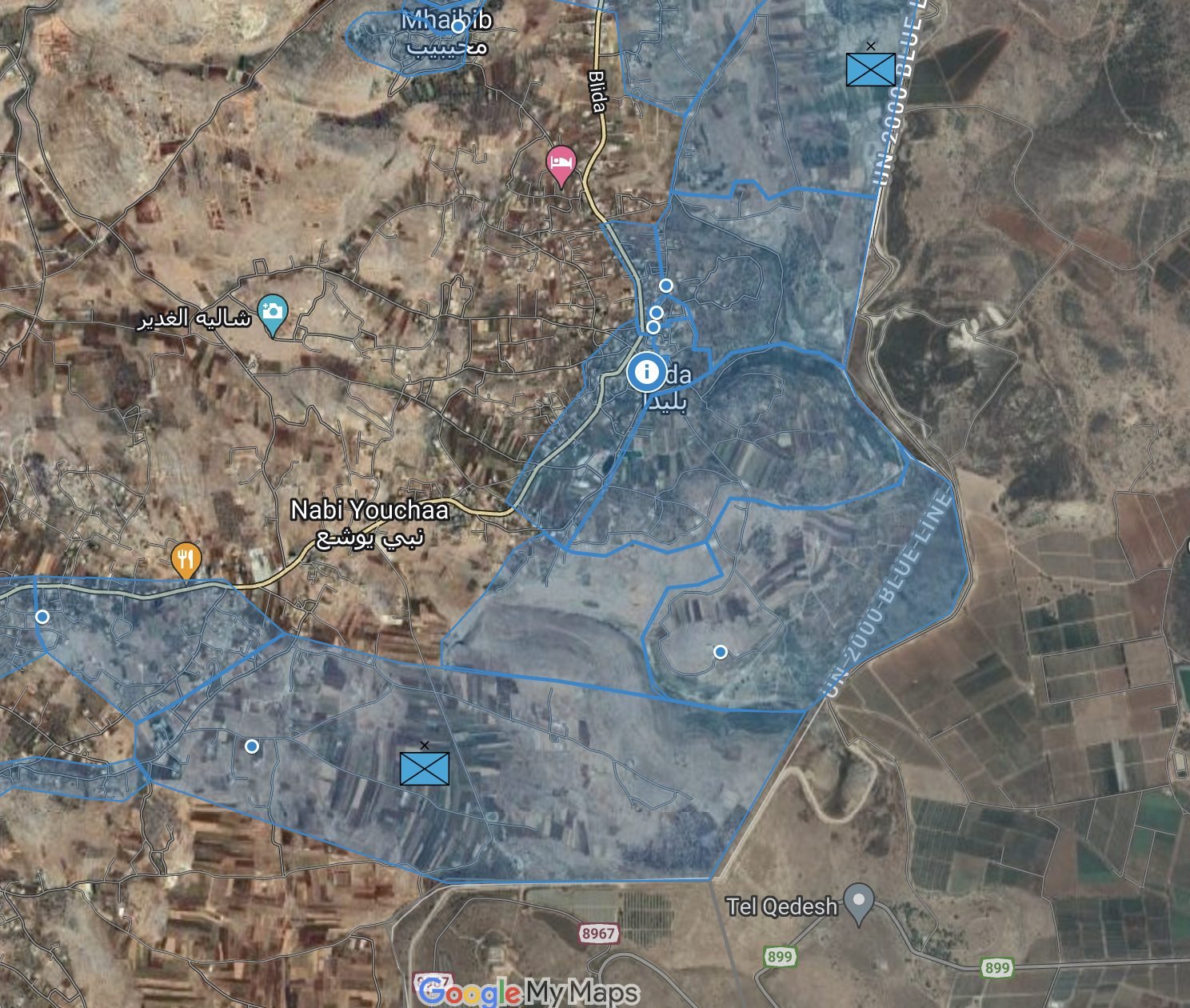
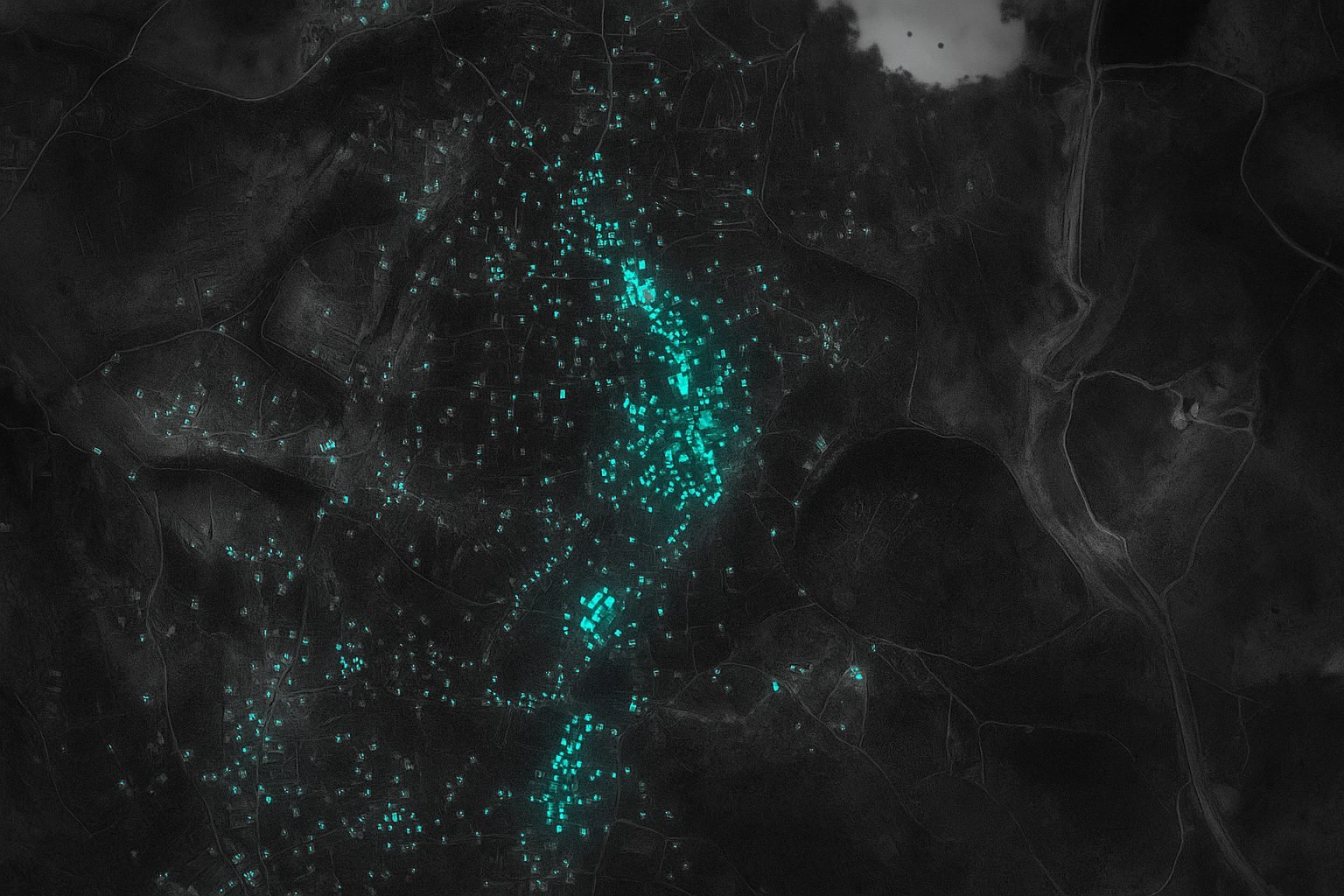
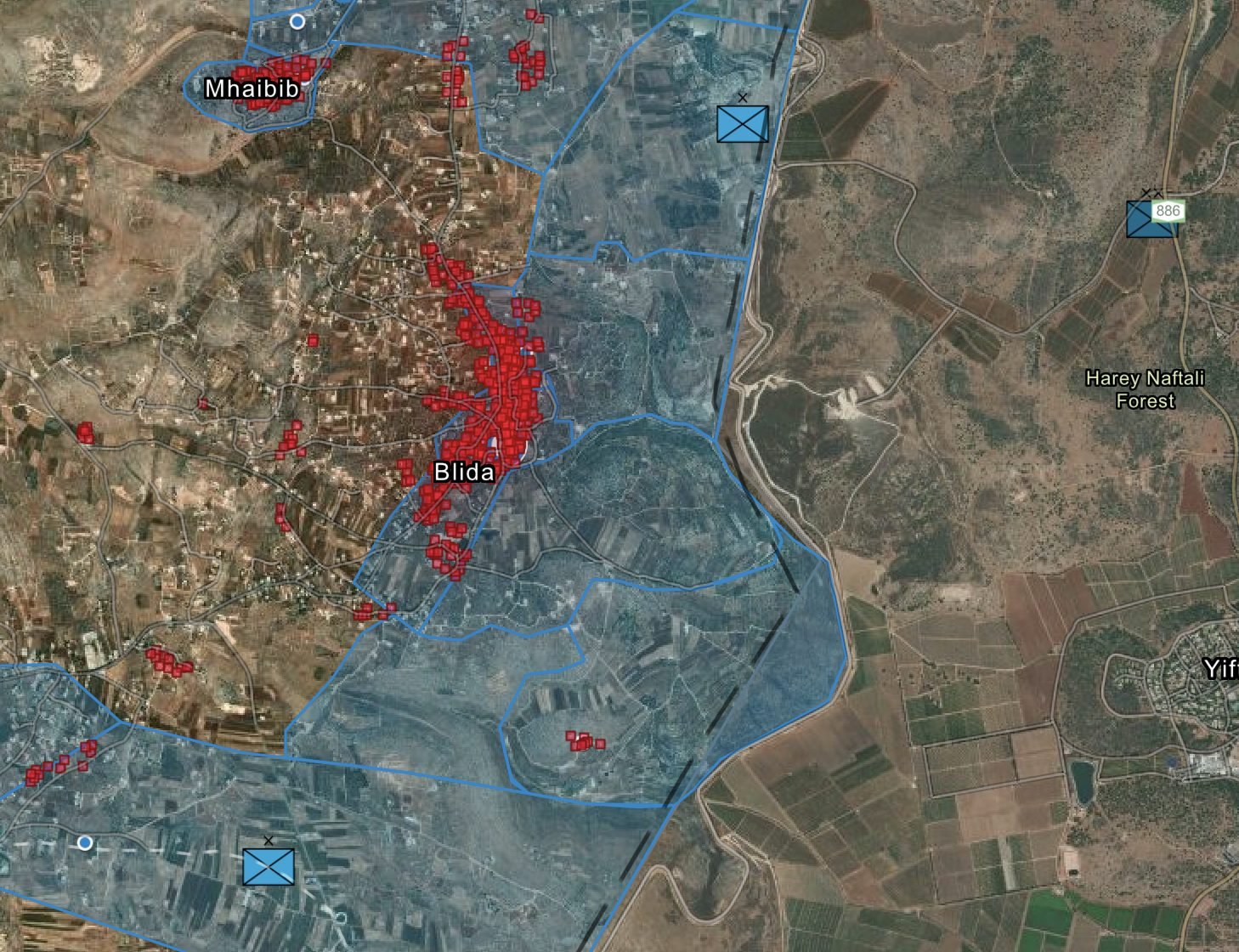
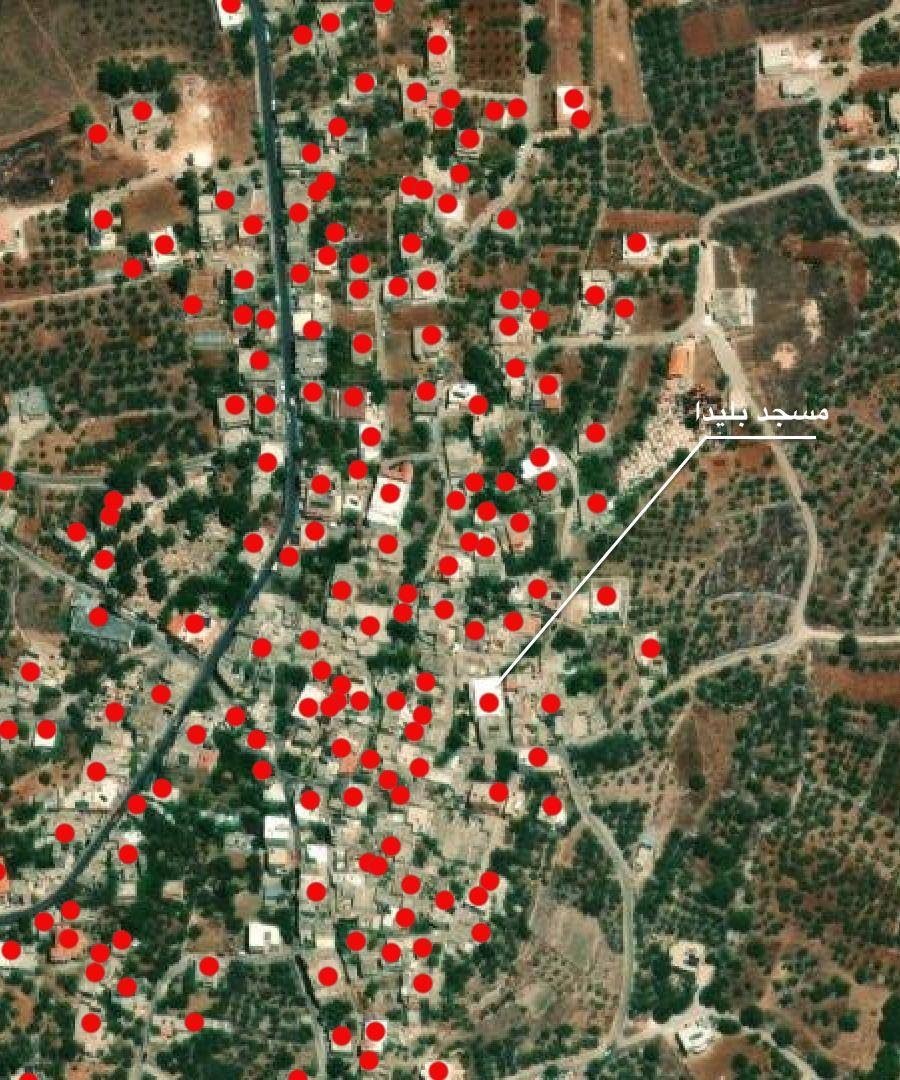
Among the villages invaded by Israel is Blida, located on the border with Israel. It is one of the villages in the Marjayoun district of the Nabatieh Governorate in Southern Lebanon. According to an analysis conducted to assess the damage using satellite imagery, the data confirmed that the town has been subjected to shelling by Israeli army forces for a full year since October 2023.
The Legal Agenda documented evidence of the Israeli army targeting heritage and religious sites through various methods, such as booby-trapping mosques in the towns of Yarin, Al-Bustan, Umm Al-Toot, Yaroun, and Al-Dhayra, and using bulldozers to demolish the mosques of Tayr Harfa and Maroun al-Ras, the demolition of which was shown in videos on December 2, 2024, after the ceasefire. The Legal Agenda also documented the destruction of at least 13 mosques and two churches through direct shelling, including areas listed as heritage buildings such as the Tayr Debba Mosque, the Kfar Tebnit Mosque, the Dardaghiya Church, and the historic Al-Bayyad Quarter Mosque in Nabatieh.
The number of mosques destroyed before and after the ceasefire reached at least 21 mosques and 3 churches, including heritage houses of worship. Further destruction is expected to be revealed when the border area becomes accessible and more satellite imagery becomes available.
The 1954 Hague Convention for the Protection of Cultural Property in the Event of Armed Conflict, and its 1954 and 1999 Protocols, stipulate the protection of cultural property. The protection of cultural and religious sites during conflicts is also an obligation under Additional Protocols I and II of the 1977 Geneva Conventions.
2. The Blida Mosque: Cultural and Religious Heritage Under Attack
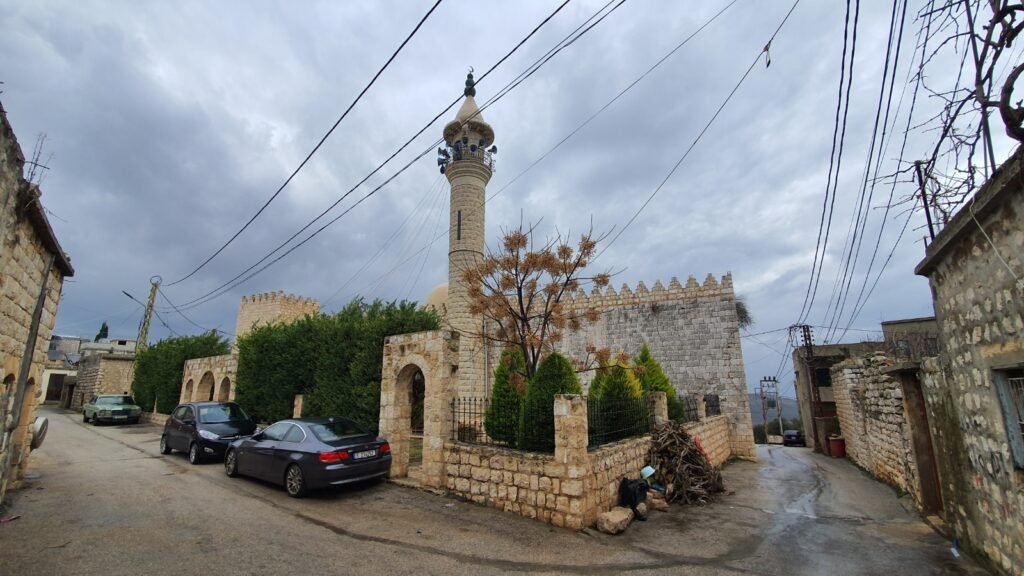
Through the analysis of visual evidence and satellite imagery in collaboration with the Nawa Media Lab, and field testimonies from the town's residents, The Legal Agenda conducted an analysis of the targeting, destruction, and bulldozing of the historic Al-Nabi Shu'ayb Mosque in Blida village by Israeli forces. This occurred despite its listing on the public inventory of the Lebanese Ministry of Culture and its heritage and historical value as one of the oldest mosques in the Jabal Amel region, with some accounts tracing its history back over a thousand years.
"The mosque bore witness to all stages of our lives, from joys to sorrows. Its destruction is an attempt to erase the community's soul, but it will remain part of our identity, and we will rebuild it as a symbol of our resilience."
Iman Al-Abd, journalist and Blida native
History and Symbolic Value
The mosque has heritage and historical value. It is attributed to the Prophet Shu'ayb, the father-in-law of Prophet Moses. Next to it are "Shu'ayb's Wells," which residents believe is the site where Prophet Moses watered the sheep of Shu'ayb's daughters. The earliest known mention of it as an Islamic house of worship dates back to the second half of the eighteenth century, according to Sheikh Muhammad Taqi al-Faqih in his book "Jabal Amel in History."
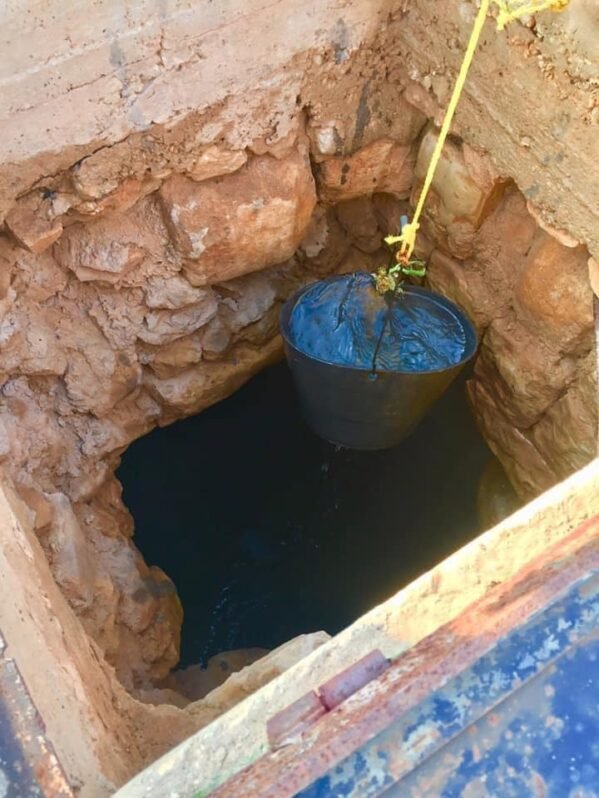
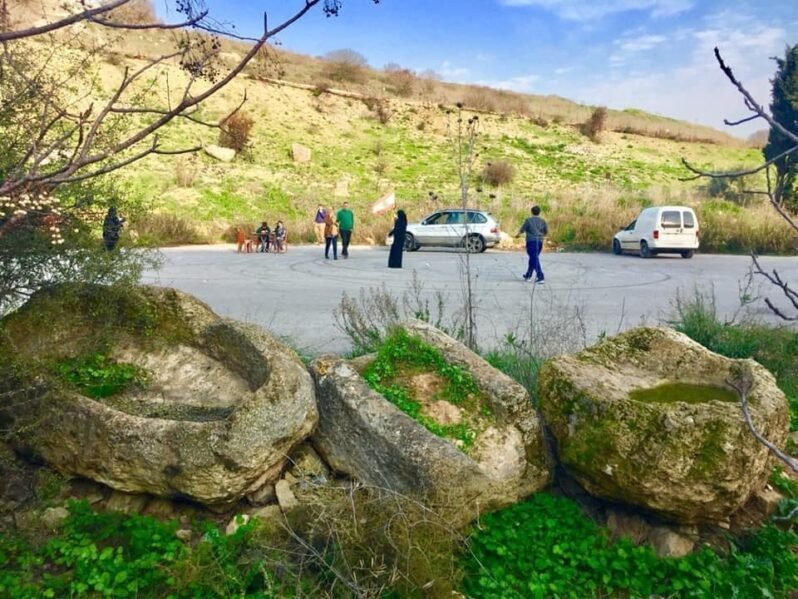
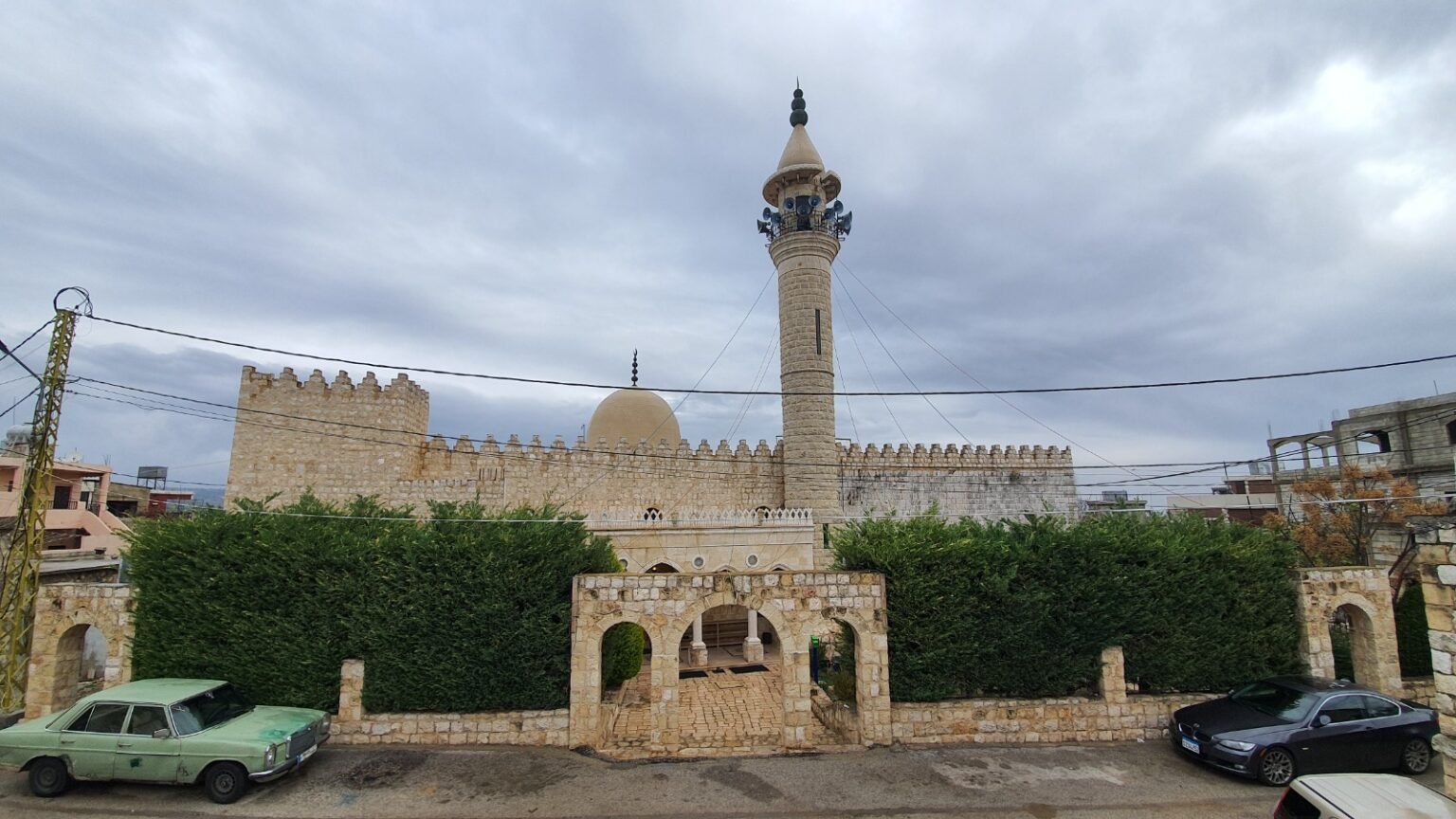
A photo from inside one of Shu'ayb's Wells, ancient troughs nearby, and the minaret added five decades ago along with the dome added during the mosque's expansion over the last two decades (shared by Blida natives; photo: Ibrahim Saffiedine).
In the survey conducted by the British Palestine Exploration Fund in 1881, the mosque was mentioned as an archaeological site containing old columns and inscriptions. The mosque underwent several reconstruction and renovation operations. Nassif al-Nassar, the general governor of Jabal Amel, rebuilt it after the Battle of Lake Hula in 1771. In the 1970s, it was damaged, prompting residents to reinforce its roof with reinforced concrete and build the minaret through community donations.
Architectural Value Added to Heritage Value
The exterior walls of the mosque were decorated with rich ornamentation, most notably a prominent hexagonal star on the southern wall. Inscriptions and decorations were also spread at the entrance and around the windows. The mihrab is surrounded by ornate frames containing delicate muqarnas.
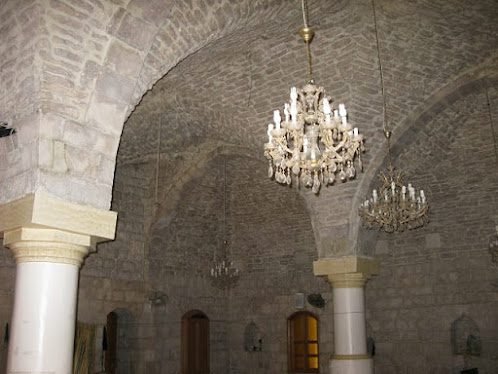
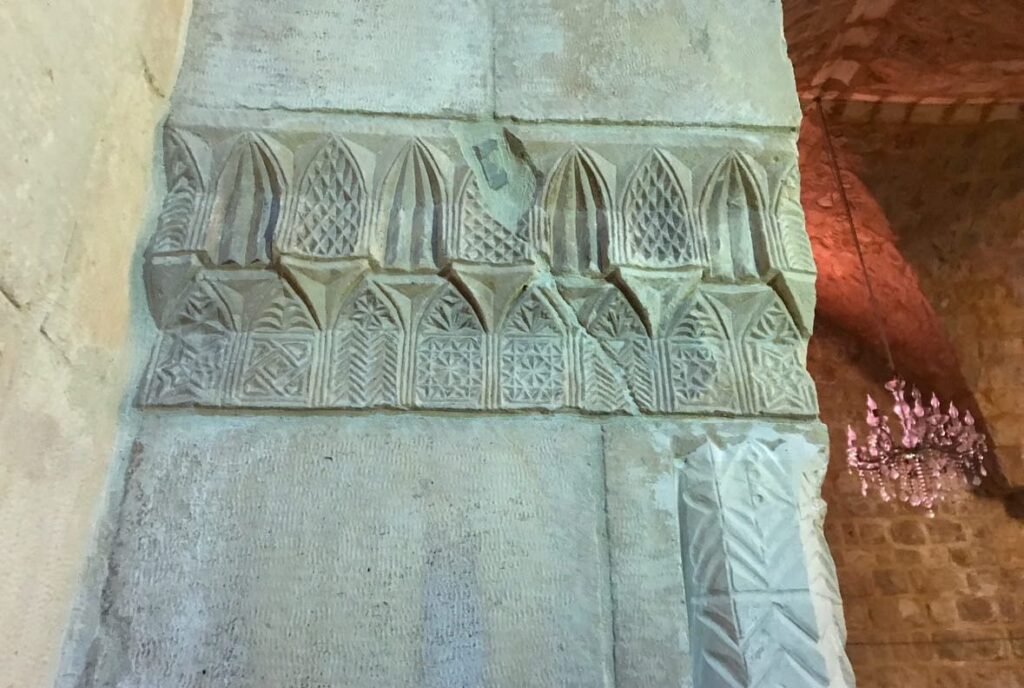
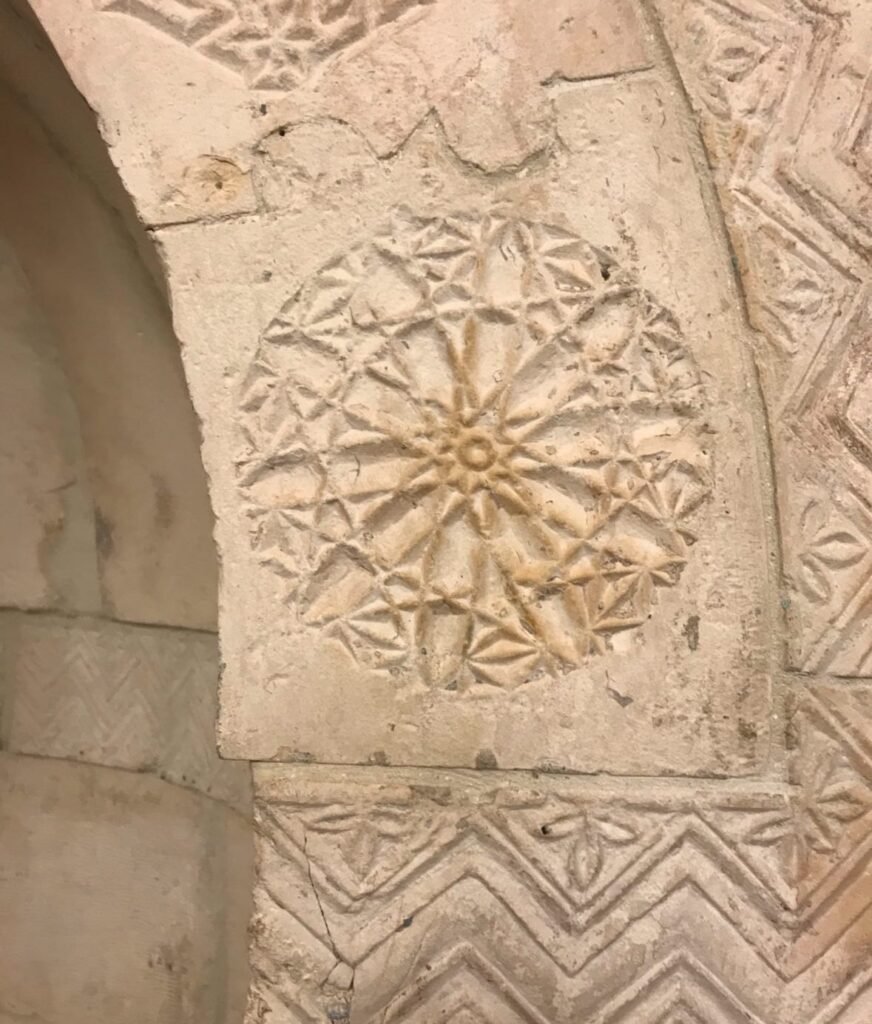
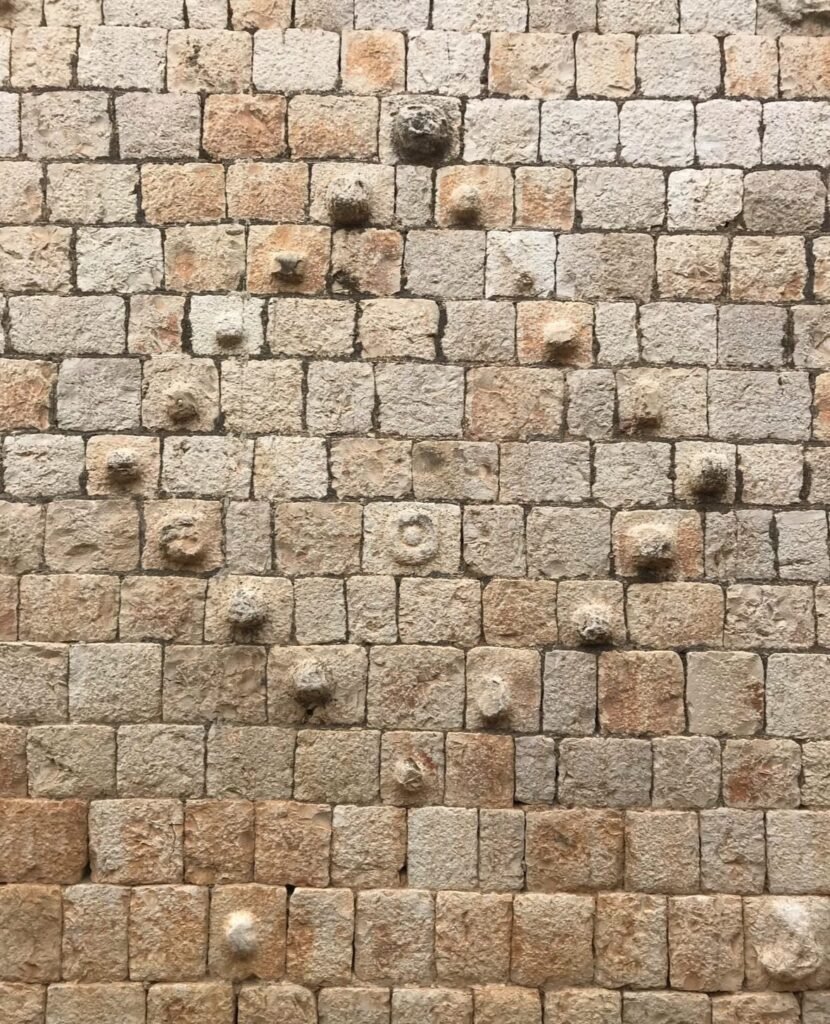
The mosque's interior ceiling, decorative Islamic muqarnas, geometric and floral decorations framing the mihrab, and projecting stones arranged for decoration (shared by Blida natives; photo: Ibrahim Saffiedine).
"When I saw the mosque destroyed, I felt like a part of our soul had collapsed. I did not mourn the loss of my home as much as I mourned the destruction of the historic mosque."
Ms. Fatima, from her continuous displacement location in Tyre
3. The Investigation and Evidence: Sequence of Destruction
Returning to the context of the shelling and the sequence of events, it is clear that the Blida Mosque was subjected to Israeli attacks at least twice. The following analysis clarifies the stages of the attack and the total destruction.
First Attack: April 2024
Shelling targeted the mosque before the Maghrib prayer, and a video published on social media showed the damage, amid reports of artillery shelling and Israeli machine-gun fire toward South Blida, answered with Lebanese rockets toward the "Bayyad Blida" area in northern Israel.
Second Attack: Destruction and Bulldozing of the Mosque
A video published on October 14, 2024 showed a large destroyed area, including a destroyed minaret lying on the ground, and a bulldozer carrying out bulldozing operations next to Israeli army soldiers.
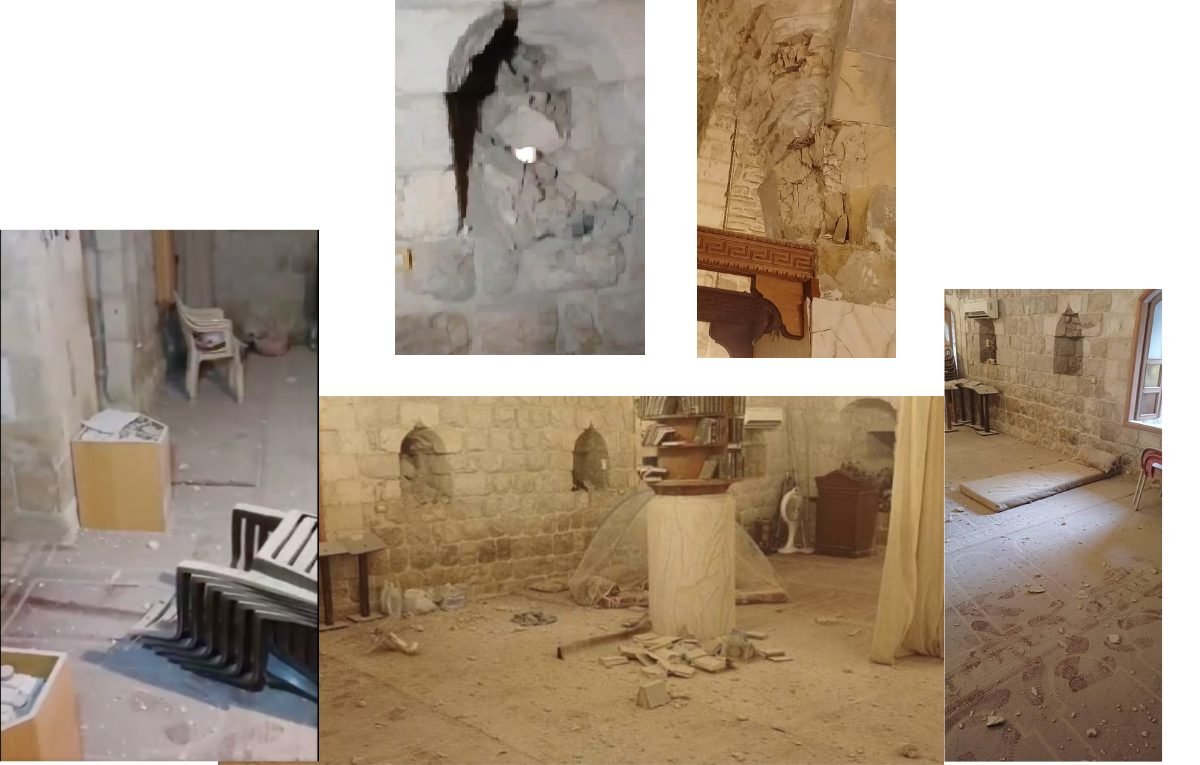
To assess the impact of the strike, The Legal Agenda collaborated with the Beladi Association to conduct a precise study of the impact. The assessment showed that the load-bearing walls of the mosque suffered slight damage, consisting of a small opening, and maintained their structural integrity without cracks. The study also showed that the roof, built in the traditional vaulted method, was not significantly affected, and the floor and the wooden doors of the mosque, including the main doors, remained completely intact. In contrast, the external windows made of iron and glass were damaged, with the assessment documenting partial breakage in 6 windows.
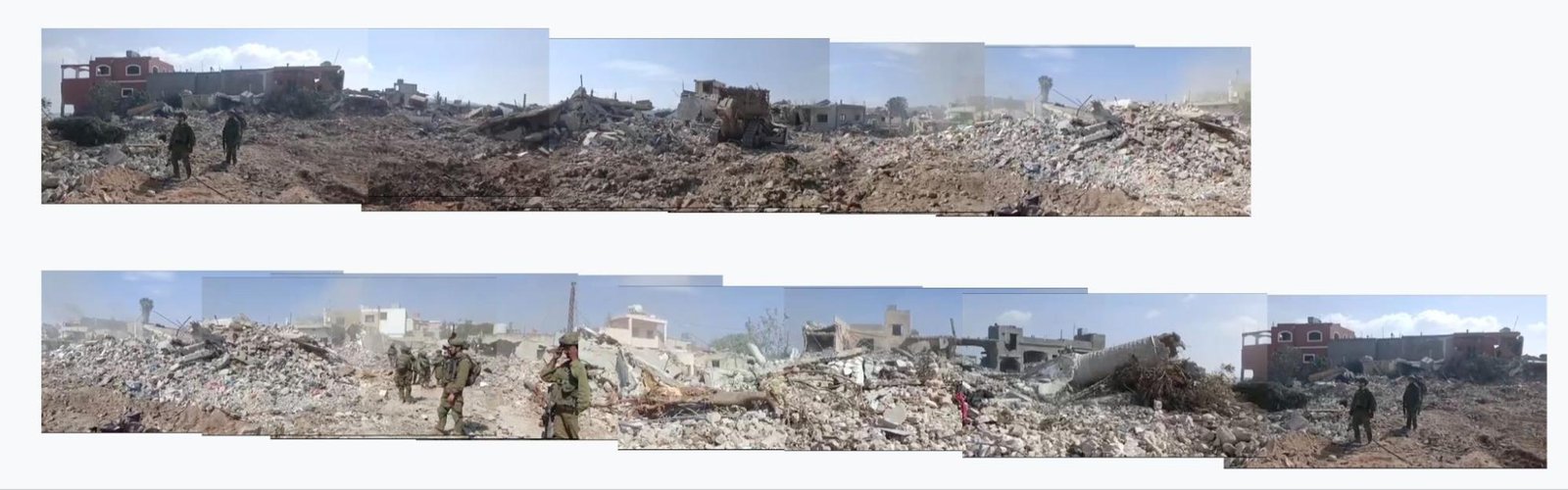
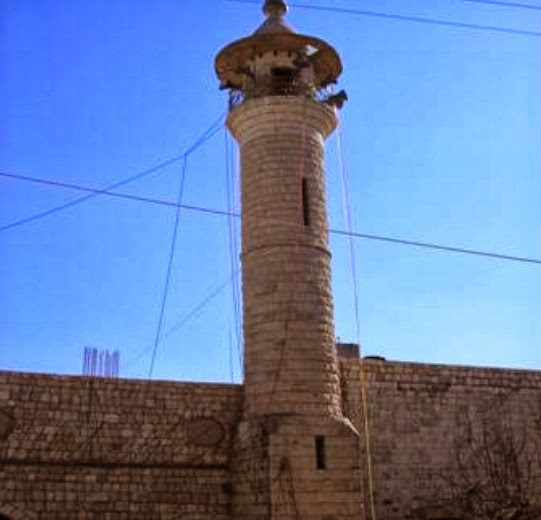
Panoramic view of the Blida Mosque site during bulldozing (from a video published on Telegram, October 14, 2024), alongside an archival photo of the minaret (Jabal Amel Blog) used for matching and verification.
The Legal Agenda conducted a careful review of archival photos. A comparison of the minaret details in the video with old photos showed a match in its shape and design, suggesting that the minaret visible in the video belongs to the Al-Nabi Shu'ayb Mosque. To add an extra layer of verification, the Nawa lab matched the prominent visual landmarks in the video with a satellite image of the village obtained from the OnGeo service on October 14, 2024, in which the minaret's clear appearance can be noted.
Satellite Evidence: Complete Bulldozing
To understand the stages of destruction that befell the mosque and determine its time frame, the first image, captured by Planet service on October 5, 2024, shows the mosque standing. The second image, dated October 14, 2024, shows the mosque after suffering significant damage, with the minaret still visible. Finally, the satellite image dated October 21, 2024, shows the mosque completely bulldozed along with the surrounding area.
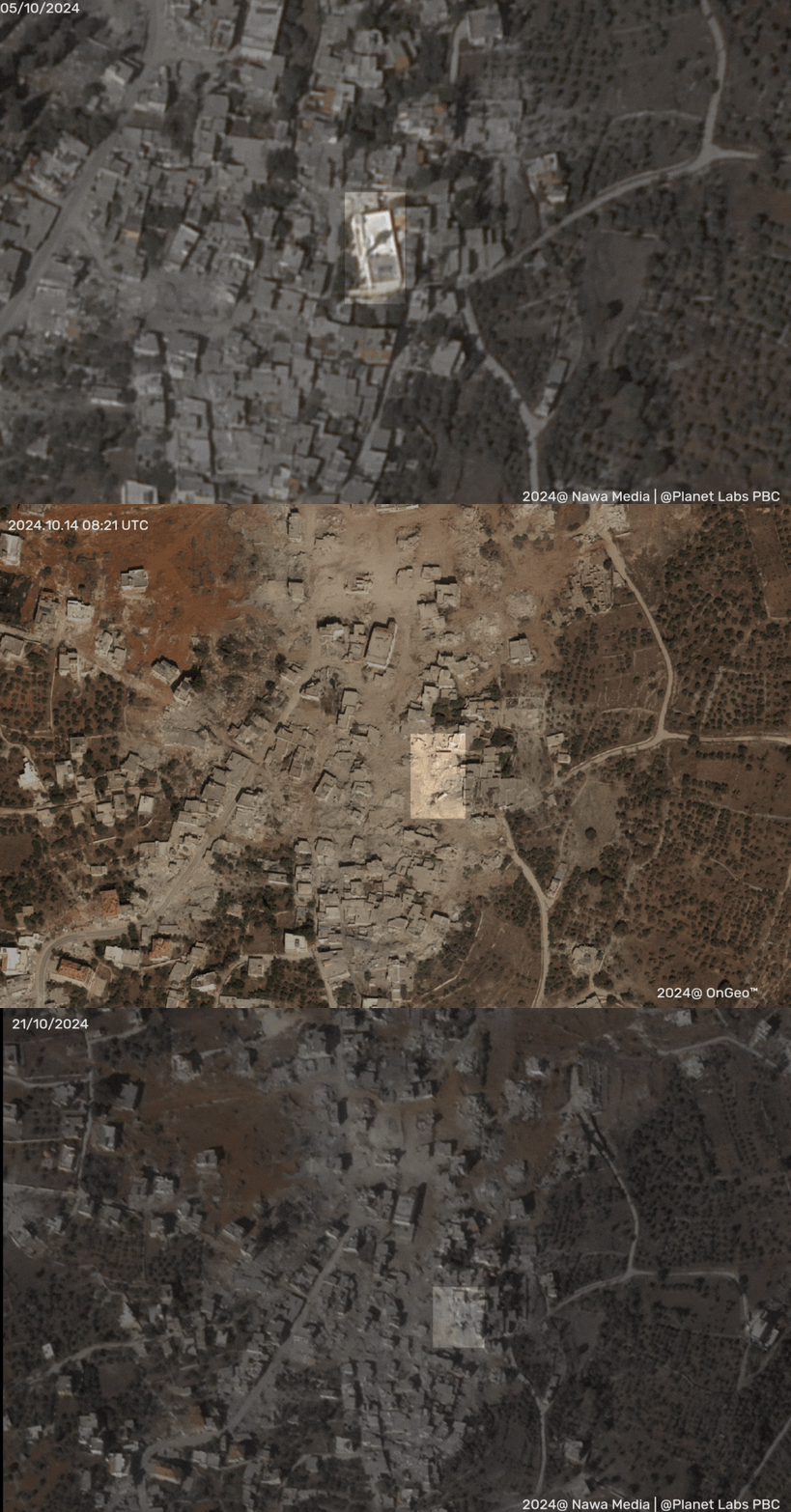
The bulldozing was not limited to the mosque but also extended to neighboring buildings. An analysis of the Planet satellite image dated October 21, 2024 shows that dozens of buildings surrounding the mosque, which were shelled and those that existed until October 14, were bulldozed, in addition to the trees around the site.
4. 3D Reconstruction: Restoring Spatial Memory
As part of efforts to document the scale of the damage to the mosque, a 3D reconstruction of the mosque was conducted in collaboration with the Nawa lab. The reconstruction was based on available archival photos, testimonies from residents who kept precise memories of the mosque's architectural details, as well as careful analysis of leaked videos and satellite images.
3D reconstruction of Blida Mosque before its destruction by Israeli forces during the ground invasion, a close-up of its visual elements, and its state after being destroyed and bulldozed.
The 3D models of the mosque showed a form very close to its original design, highlighting the distinctive architectural elements. The 3D reconstruction process is a critical tool for documenting war crimes, and these models form a basis for any future efforts to physically rebuild the mosque.
5. Legal Assessment
The targeting of the Al-Nabi Shu'ayb Mosque is a clear violation of International Humanitarian Law. The 1954 Hague Convention prohibits the targeting of cultural property during armed conflicts, especially considering that the mosque's importance is not limited to its religious value as a house of worship — it possesses heritage and architectural significance, is listed on Lebanon's heritage buildings inventory, and holds an emotional connection with residents as part of the town's cultural legacy.
The targeting occurred not once but at least twice. In the second instance, the partial destruction was followed by the complete bulldozing of the mosque and surrounding buildings. These facts suggest a deliberate intent to erase the building, representing a flagrant violation.
UNESCO Procedures
On October 17, 2024, the Lebanese Ministry of Culture submitted a request to UNESCO to hold a session to protect heritage areas from targeting. On November 18, 2024, UNESCO listed 34 cultural properties in Lebanon under temporary enhanced protection. However, the Blida Mosque was not on the list, as it had already been destroyed and bulldozed before this time.
"This mosque is part of our collective memory. Its destruction will not silence us; it will make us more determined to stay here. We will rebuild every stone because this land is ours, and no matter how much they try to erase our identity, we will continue to protect it."
Ahmad, a young man from Blida